







Montbell Downhugger #1 Review
May 13, 2014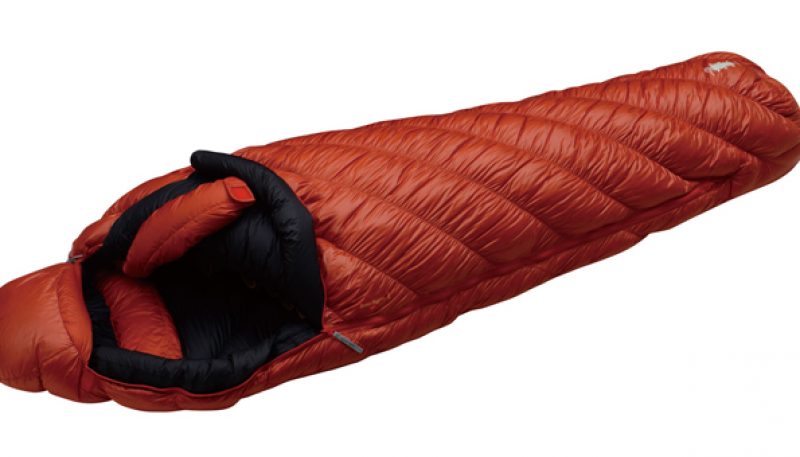
 81
81 The Good
- Very lightweight
- Great warmth-to-weight ratio
- Good compressability
The Bad
- Somewhat snug
- Expensive
- Too-tight hood
The Montbell Downhugger #1 lives up to its name. The 800-fill goose down bag hugs sleepers in a soft embrace throughout the night. For some, the embrace is too tight–most of the testers found the bag contrictive through the shoulders, hips and knee sections. The Downhugger nails its target of being a quality bag suitable for fast-and-light outings by hikers who prefer weight savings to ‘wiggle-room’ in a bag.
Compressibility
The Downhugger’s 800-fill goose down insulation and 20-denier shell stuff into a small tube that’s slightly more than 7 inches wide and just over a foot long when fully compressed. That’s as small as we’ve seen any bag with similar warmth ratings.
Warmth to Weight
The narrow-cut of the bag, combined with the high-loft 800-fill down insulation, drives up the warmth factor while keeping weight down. The result is one of the best warmth-to-to-weight ratios we encountered this season. The bag kept most who used it warm even when temperatures dipped to–and even slightly below–its rated temperate of 15ºF.
Comfort
Weight savings usually come at some expensive. In the case of the Downhugger, one of the costs of the lightweight design is comfort. The narrow taper and very snug hood made this bag unsuitable for anyone who tends to wiggle, twist or turnover in bed. Folks who spend their entire night sleeping soundly on their back liked the body-hugging design. Everyone else felt some level of constriction throughout the night.
Durability
Though the 20-denier ripstop shell materials feels somewhat insubstantial, it proved to be stout enough to resist any cuts or tears, even when we slept on bare volcanic sands around the Potholes of eastern Washington. We did catch the shell in the zipper a few times and that could eventually lead to tears–or to damage to the zipper itself–but the material didn’t show damage from that during our tests.
Value
Given its limited comfort at a premium price, the Downhugger’s appeal is limited to only the most ardent weight-cutting hiker making it.





No reviews have been posted for this product.


