Seven harnesses were tested in the climbing harness category in 2016. Harnesses were used by a wide array of climbers on dozens of climbs to gauge each harness’ comfort while also being subjected to timed tests hanging on an indoor wall. Testing feedback from the field and indoors helped us arrive at a consensus as to the effectiveness of gear loops and ease of adjustability when it came to buckles. Every harness has its own features that are touted, such as ice clipper attachment points or unique belay loops and was rated after input from testers using them in the field. The features and function of each harness helped us arrive at a rating for versatility, a gauge for how well a harness works across a range of climbing styles. Today’s harnesses feature lighter construction, more comfort, and unique features than those of yesteryear.
Navigation:
https://gearinstitute.com/wp-content/uploads/P8110289-e1524590735597-800x300.jpgby: Mike Schneiter
Gear Institute
Review Results
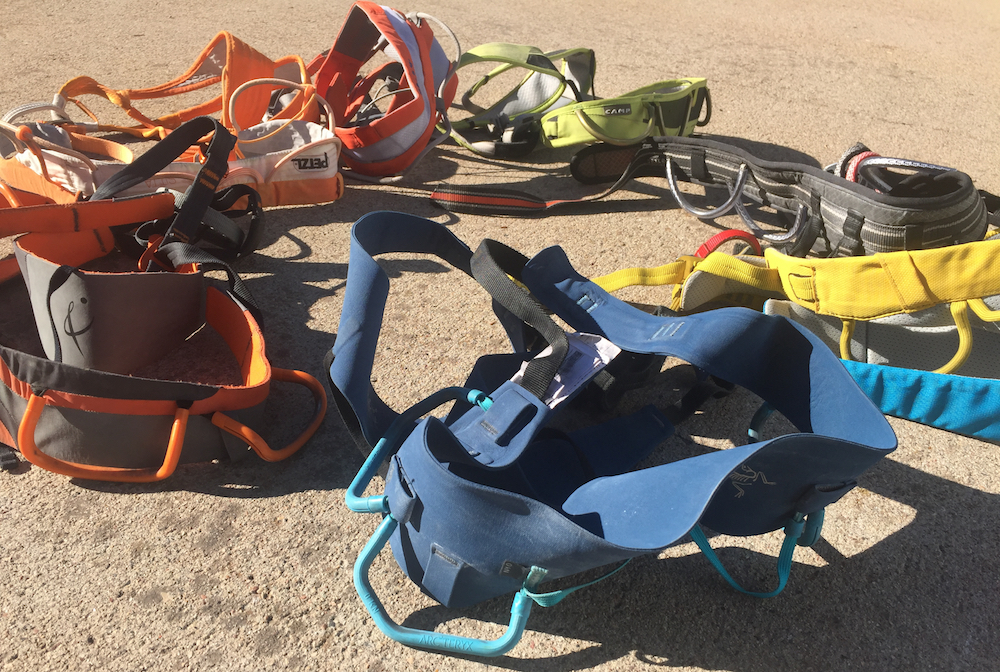
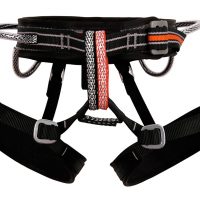
A look at the harnesses considered during testing for the climbing harness category in 2016.
Comfort
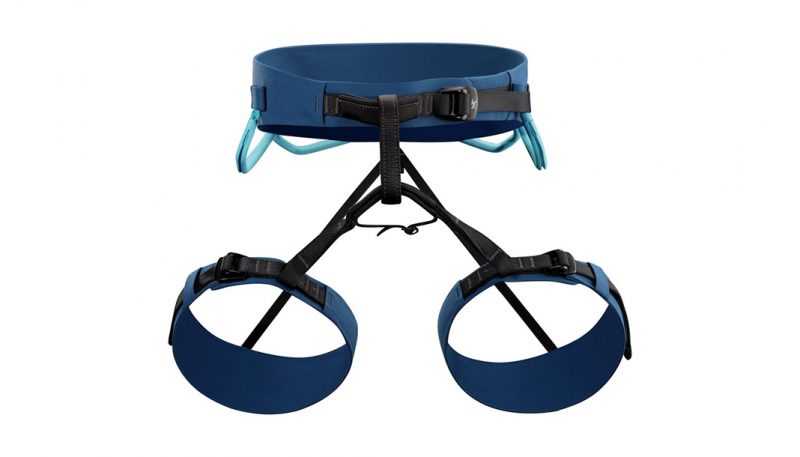
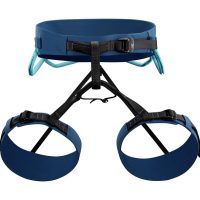
Harnesses are meant for wearing for long periods of time, so one of the big tests is how it feels when hanging for extended periods. Testers spent considerable time climbing in and hanging in each harness as well as spending a set amount of time hanging from an indoor wall to try to accurately guage each harness’ comfort level. While many harnesses have various claims as to how their new or unique construction helps distribute weight the best, it was the traditional nylon and padding construction of the Metolius All-Around that won. Coming in a close second were two harnesses that use some of that more unique construction and look similar; the Beal Rebel and Arc’terxy AR-395A.
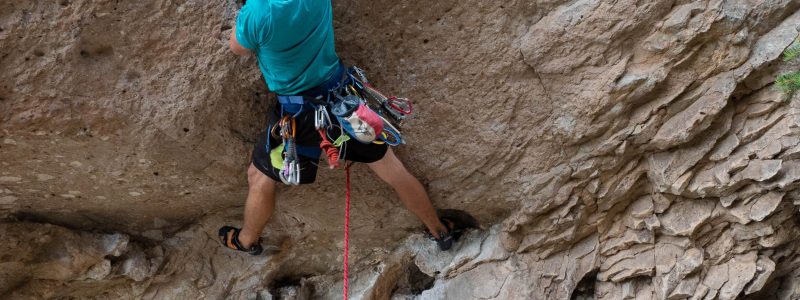
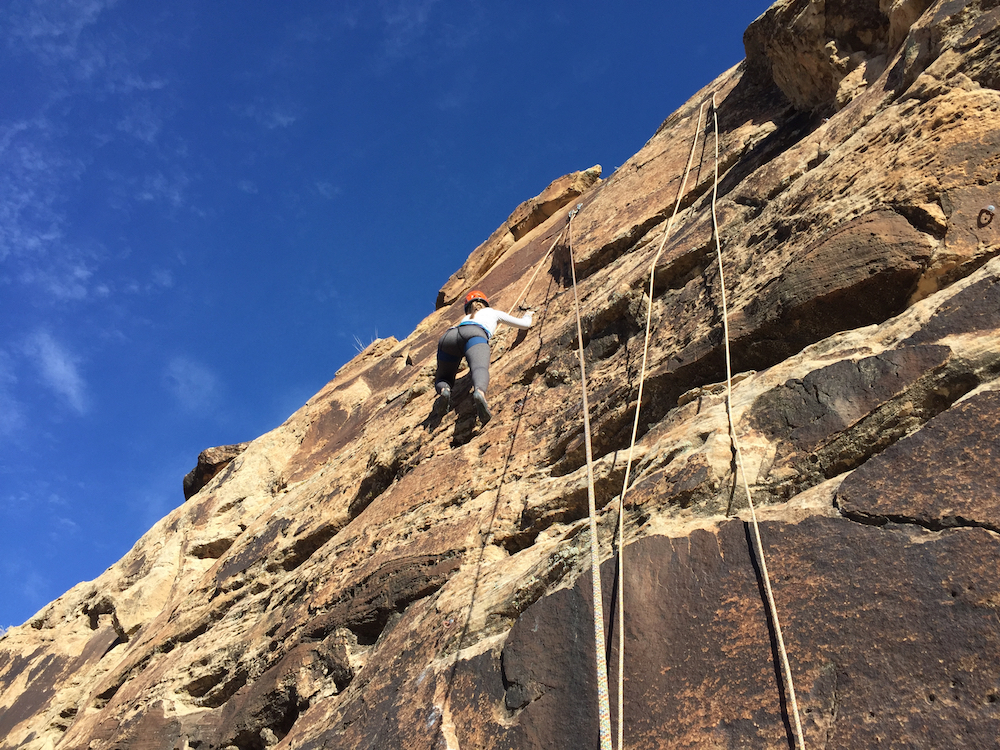
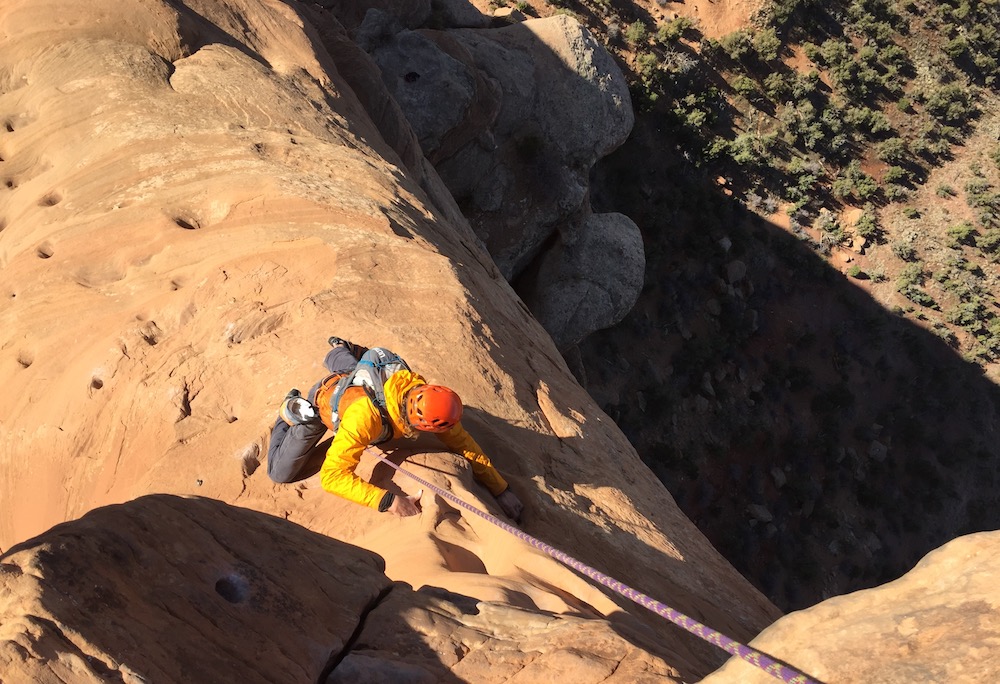
Climbing in the desert with the Arc’teryx AR-395A during field testing. The AR-395A came in second in terms of comfort during testing.
Adjustability
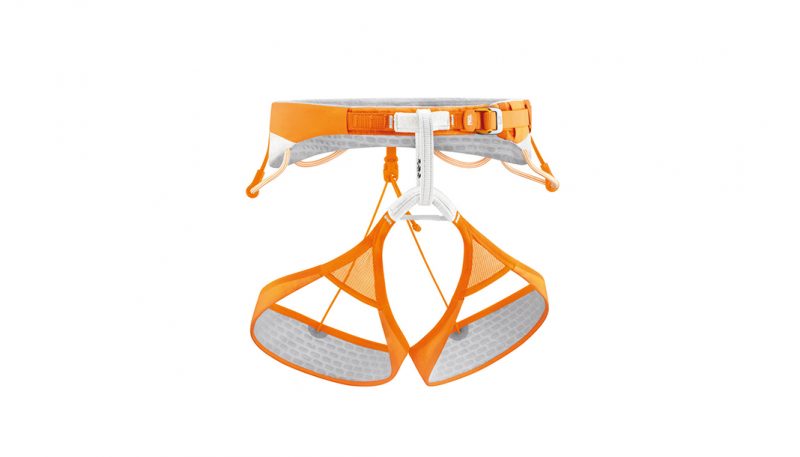
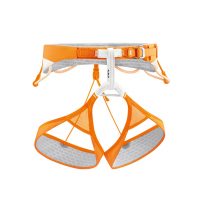
Harnesses come off and on, sometimes several times in a day, and their ability to be adjusted with ease and in a smooth fashion can be a big draw for many climbers. Most harnesses today use so-called speed buckles that don’t require the traditional rethreading of the nylon to double back the harness. Those buckles aren’t all created equal and the Petzl Sitta’s DoubleBack HD buckle drew the highest acclaim among testers for its smooth operation and sleek construction. Other harness buckles fared well but lacked the same smooth and easy adjustment of the Sitta’s.
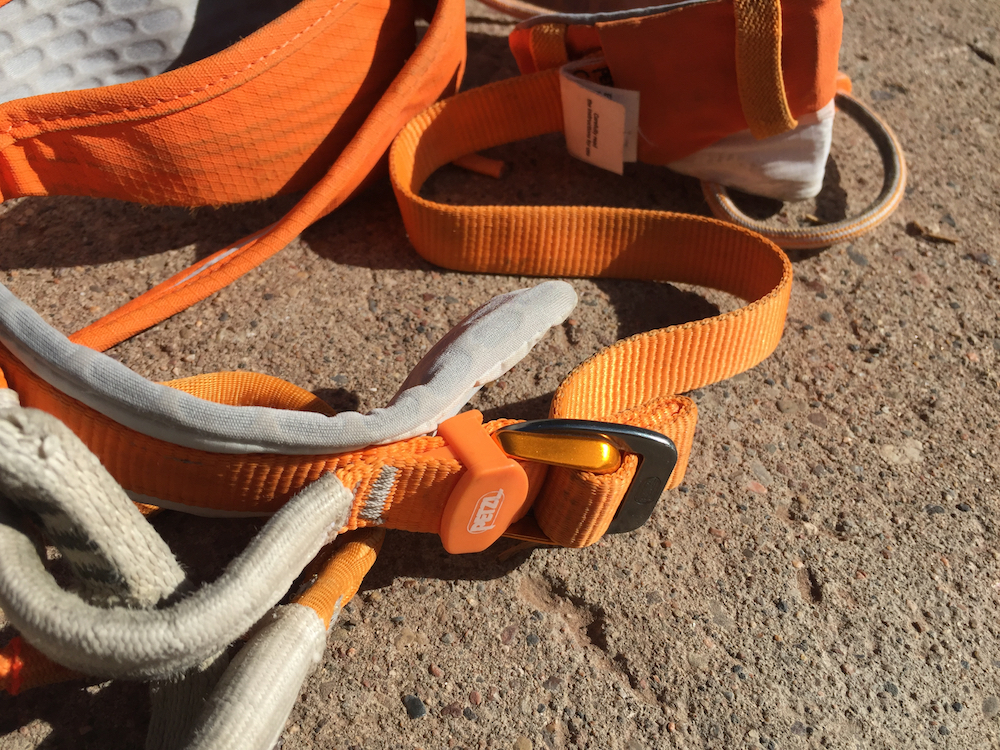
The DoubleBack HD buckle on the Petzl Sitta was the crowd favorite among testers for its smooth, easy adjustment.
Gear Loops
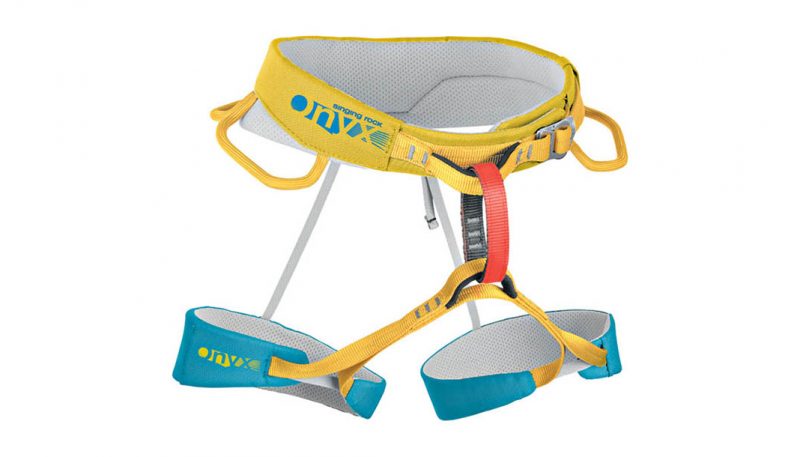
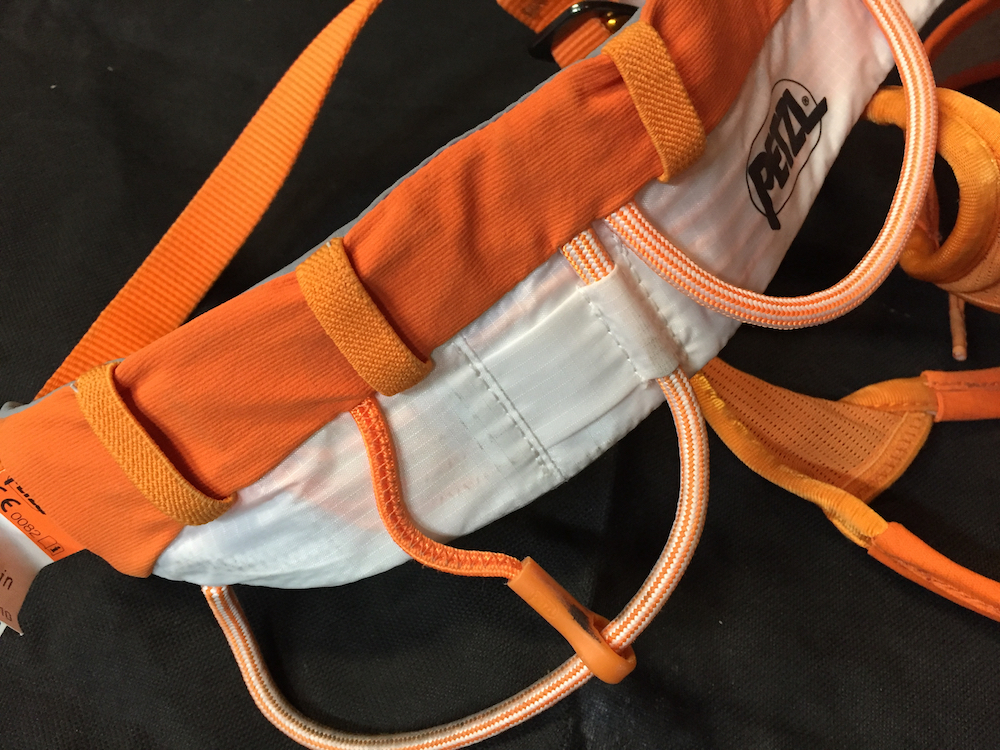
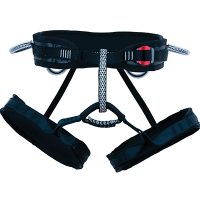
Gear loops come in a variety of forms with different materials, shapes and features but they all serve the same function of providing access to gear. During several field days with these harnesses, testers experienced various degrees of ease or difficulty accessing gear and making use of the gear loops. The large, contoured gear loops found on the Singing Rock Penta were popular because they protruded from the harness and made clipping and unclipping gear as easy as any gear loop tested. Tying with the Onyx were the gear loops on the Petzl Sitta, which were smaller than the Onyx’s but provided similar easy access and feature a nifty movable gear organizer that allows the most OCD climber the ability to dial their setup.
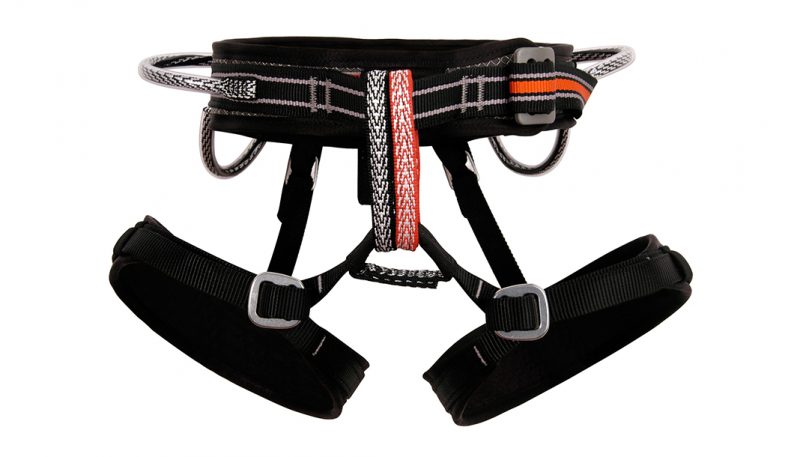
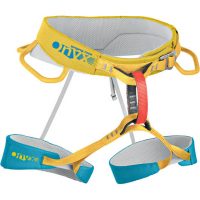
The Singing Rock Onyx’s large, contoured gear loops some of the most popular gear loops tested due to their ease of use.
Features
Today’s harnesses offer a number of features that can appeal to climbers, whether it’s something that makes them unique, do something really well or serve across a wide platform. One feature of interest to testers was ice clipper attachment points and many harnesses include these in some form or number. The Metolius All-Around lacks those attachment points but offers great security by having all of the points on the harness built to high strength, including 9kN rated gear loops. The C.A.M.P. Air offers a unique slot on the belay loop to keep the carabiner from moving and becoming cross loaded during use. For the Arc’teryx AR-395A, testers appreciated the wide number of features that made it a suitable harness for a wide range of uses as well as being both durable and compact. Sharing the award for best features with the AR-395A was the Petzl Sitta, whose unique construction makes for a compact and breathable harness. The Sitta’s waist belt and leg loops eskew the traditional nylon and instead use strands of Spectra, making it one of the lightest harnesses on the market.
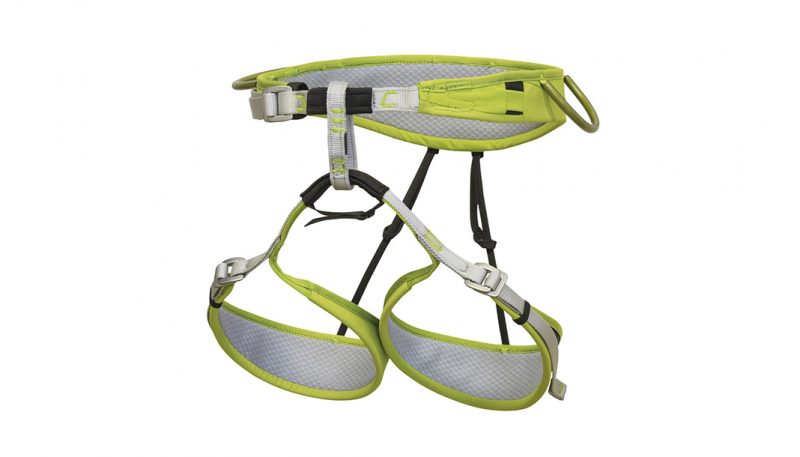
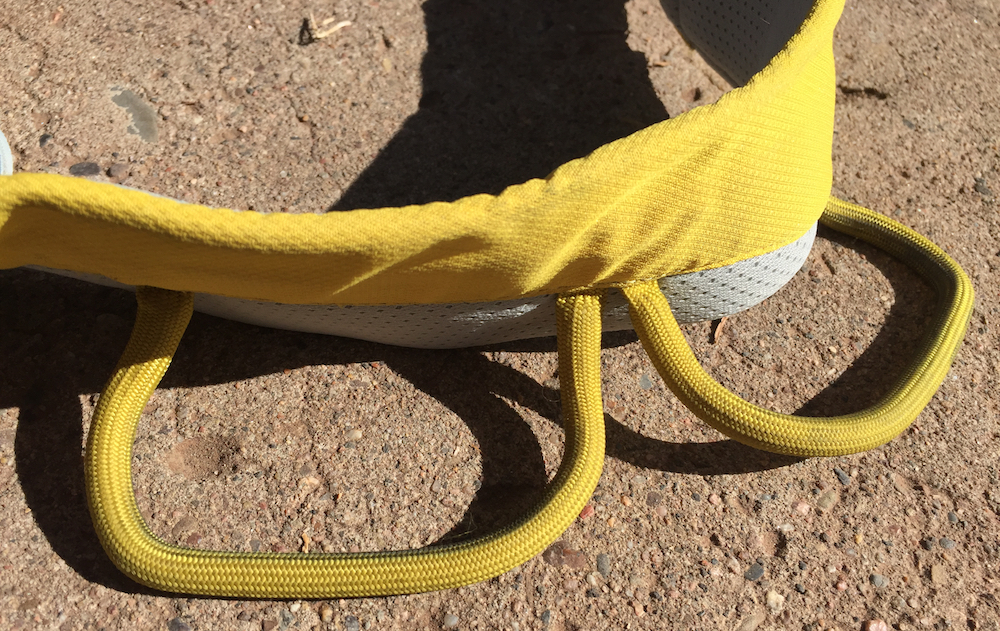
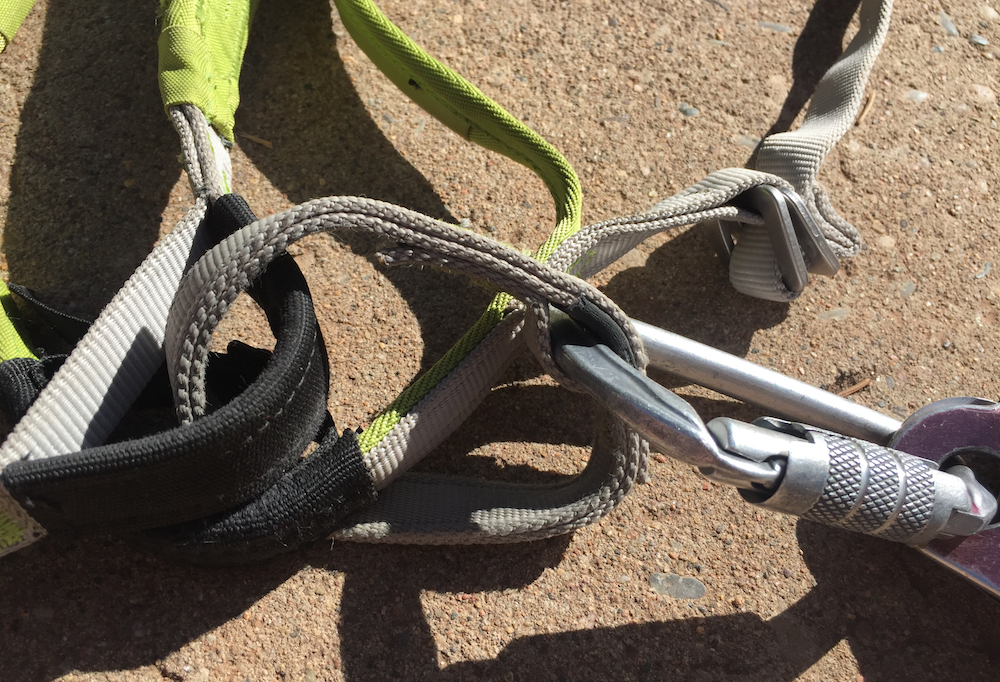
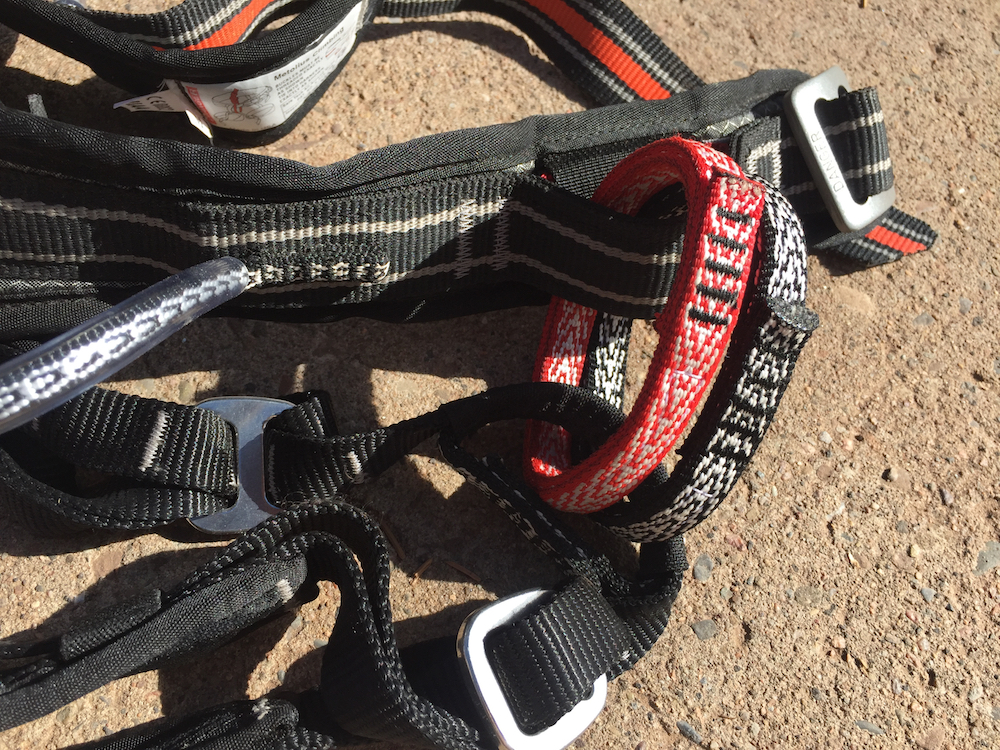
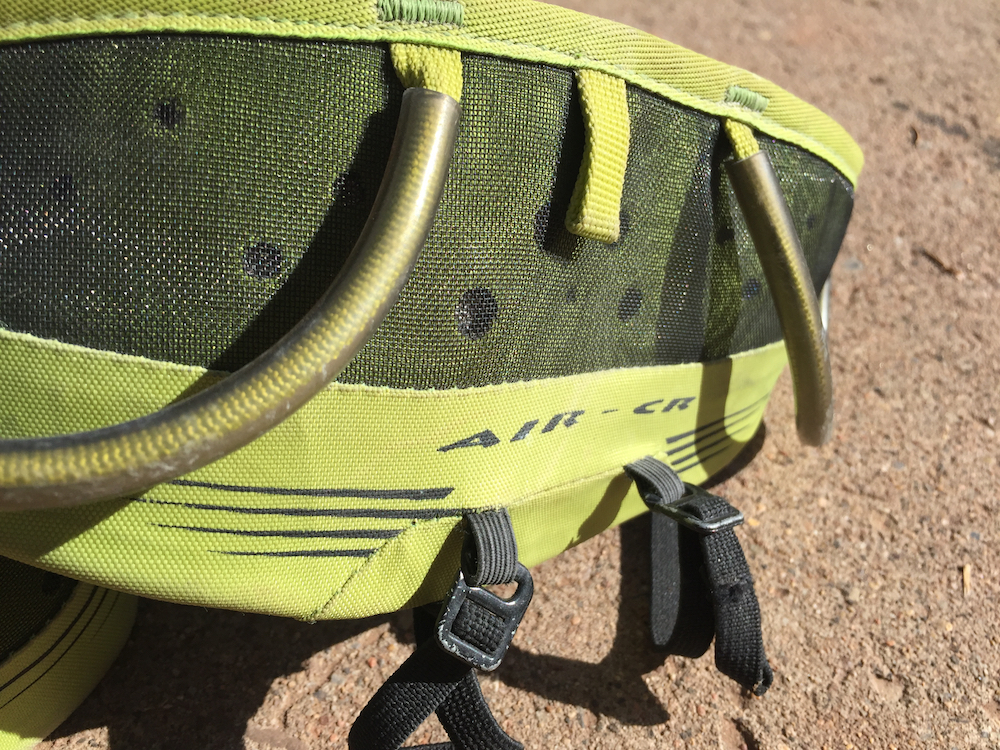
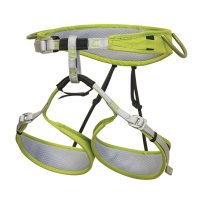
The C.A.M.P. Air’s unique belay loop includes a slot for the carabiner to keep it in place and prevent cross loading.
Versatility
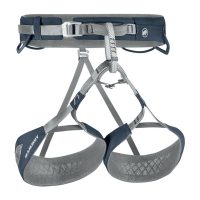
While some climbers may end up with a number of harnesses in their arsenal, one for sport, one for long routes and one for ice, many climbers may opt for a quiver of one harness. Testers gauged the features and function of each harness to rate its versatility or its ability to be used across a wide range of climbing genres. The Arc’teryx AR-395A won this category as the most well rounded harness tested. Good comfort, easily adjustable buckles on both the leg loops and waist belt, five gear loops that worked well but can be converted to a slim profile and ice clipper attachment points helped the AR-395A draw favor with testers. Close behind were the Mammut Zephir Alpine and C.A.M.P. Air. Both demonstrated that a harness can work great for certain endeavors like ice and alpine climbing but can have the functionality in terms of comfort and effective gear loops that can give a harness greater versatility.
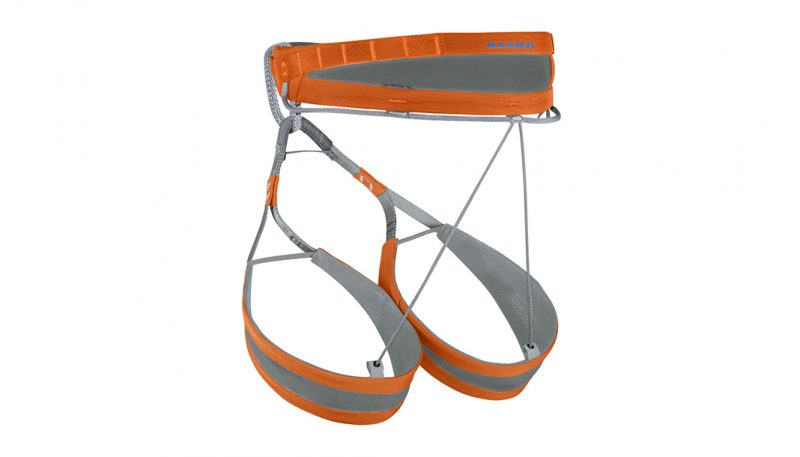
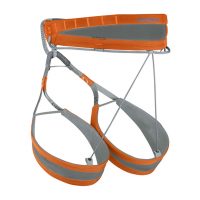
The Mammut Zephir Alpine features a number of ice clipper attachment points and large gear loops, giving it a wider appeal than as a just pure alpine harness.
Weight
The trend in the climbing world has been to make gear lighter and lighter and harnesses are no different. One advantage to a lighter harness, in addition to weight savings, is that many of those ounce shaving efforts also make harnesses more compact and packable. Plus, who doesn’t mind saving a few ounces off their load? The Mammut Zephir Alpine was the lightest harness tested, check in at 8.8 ounces. It was followed close behind by the Petzl Sitta at 9 1/2 ounces. A number of harnesses were in the 12 to 14 ounce range while the Metolius All-Around was the heaviest at 19 ounces.
The use of strands of Spectra in the waist belt and leg loops allows the Petzl Sitta to shed some serious weight and check in at 9 1/2 ounces.
Review Conclusion
Our test results came after dozens of days of field testing on desert towers, limestone sport climbs, long alpine routes, and freezing through cold belay sessions while ice climbing plus hours in the garage hanging in harnesses, trying out buckles and clipping and unclipping gear. After arduous testing, much debate and averaging out opinions; the Petzl Sitta came out on top, followed closely by the Arc’teryx AR-395A. Both offer well thought out and useful features. Testers loved the versatility found in the Mammut Zephir Alpine and C.A.M.P. Air. Popular with the sport climbing crowd were the Beal Rebel and Singing Rock Onyx. Finally, the safety conscious features on the Metolius All-Around make it a fine harness and it was the most comfortable harness to boot.
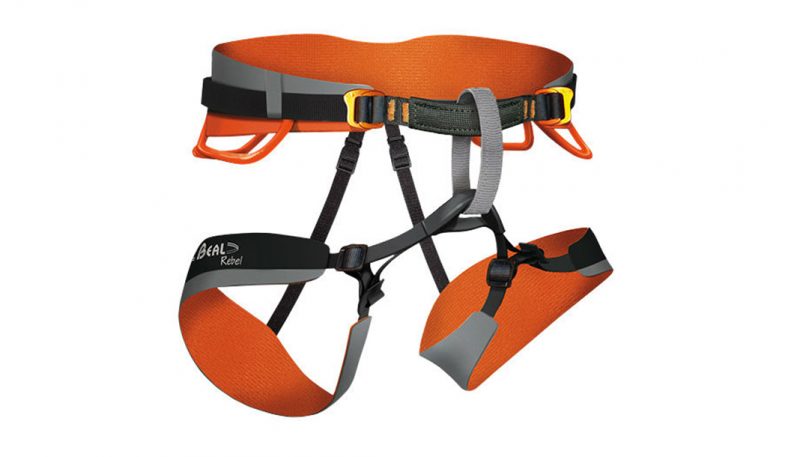
Field testing the Beal Rebel on Independence Monument’s classic Otto’s Route in Colorado National Monument.
Test Methods
For testing, we put these harnesses on dozens of climbers with varying experience levels and interests. Taking their feedback we were able to come to some consensus about how each harness performed. We spent a lot of time taking harnesses off and on and talking about buckles and their ease or difficulty of use as well as how smooth they worked. We also looked for signs of slippage, which can be a cause of concern even though all of the nylon straps tested had some sort of backup in the form of a sewn “stop.” Testers were able to test out features on harnesses and give their opinion and we attempted to come to some average as to each feature’s relative value. Some features can be pretty cool but others can seem like fluff and maybe not work as well, particularly in the real world.
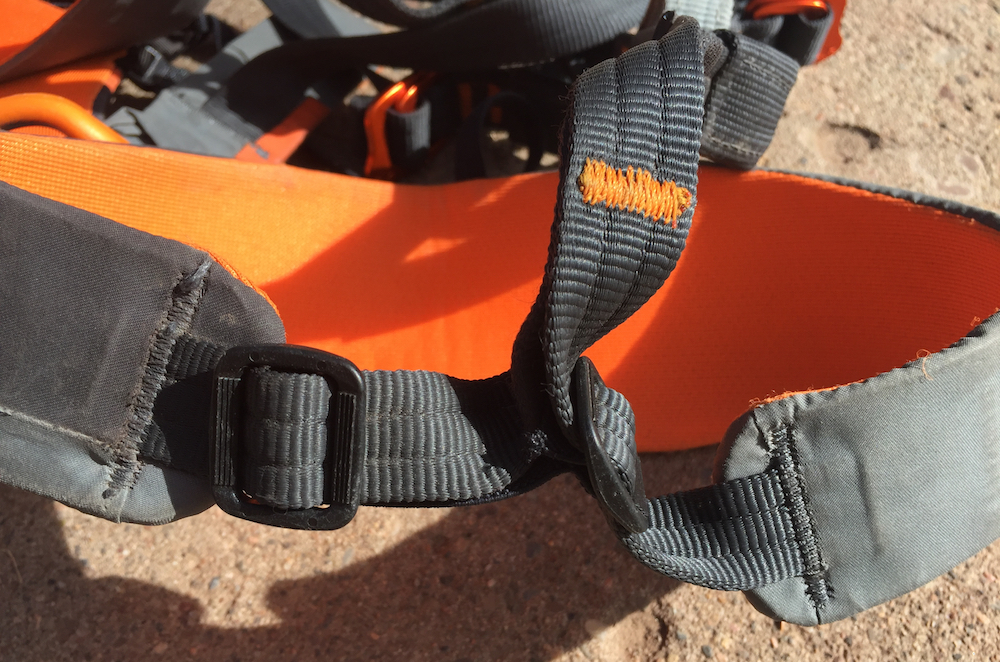
The Metolius All-Around features two belay loops and SafeTech construction, ensuring every component of the harness is built to high strength, offering greater security and peace of mind.
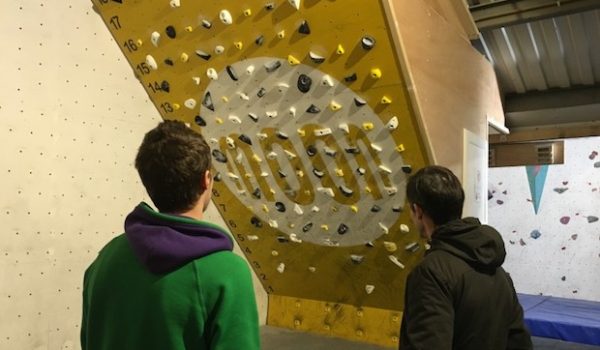
To test a harness’ comfort we climbed dozens of pitches of sport, trad and ice and hiked miles and miles along with thousands of vertical feet in the alpine. But, rather than rely on field testing results for a harness’ comfort we spent hours hanging in harnesses on an indoor wall with a set amount of time along with time spent walking, stretching and relaxing between hang sessions. During that time we also spent time clipping and unclipping gear from gear loops from front to rear, looking for evidence of their ease of use and also if rear loops were hard to locate. Sometimes harnesses offered rear haul loops but they were next to impossible to find.
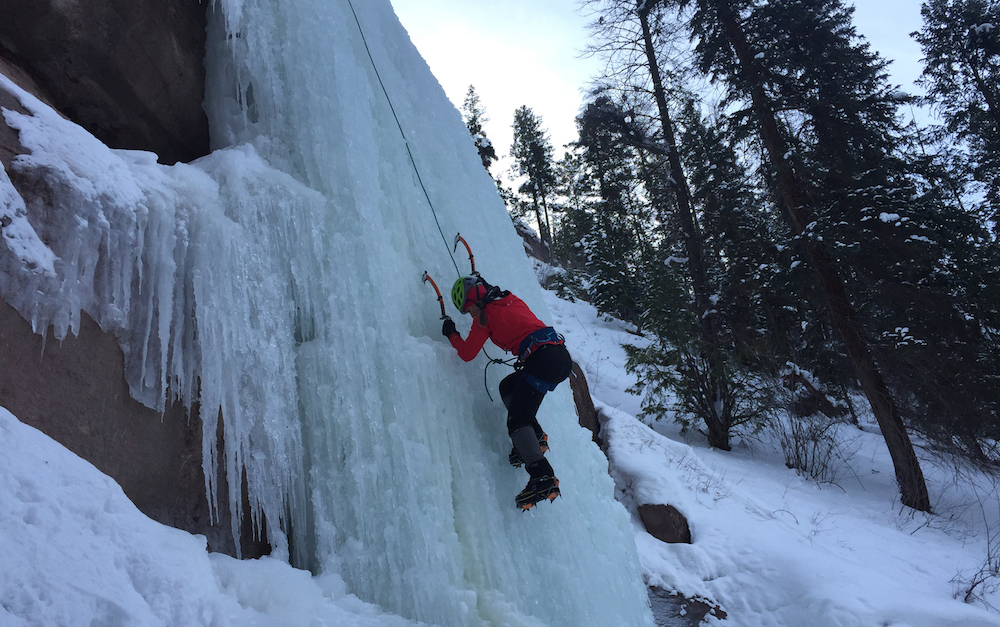
Field testing the Petzl Sitta on an ice climb in Ouray, Colorado.
What is a Climbing Harness?
Modern climbing harnesses have come a long way from the swami belts of old or the first harnesses that sported belay loops. Twenty years ago gear manufacturers may have typically offered a few harnesses but now companies like Black Diamond and C.A.M.P. have 10 or more different harnesses in their lineup, plus women’s specific versions and kids harnesses. Many of those harnesses are designed to fit a specific niche in the market which may be a specific genre of climbing like sport or ice or they may try to appeal to all-arounders who want a single harness to stow away in their garage.
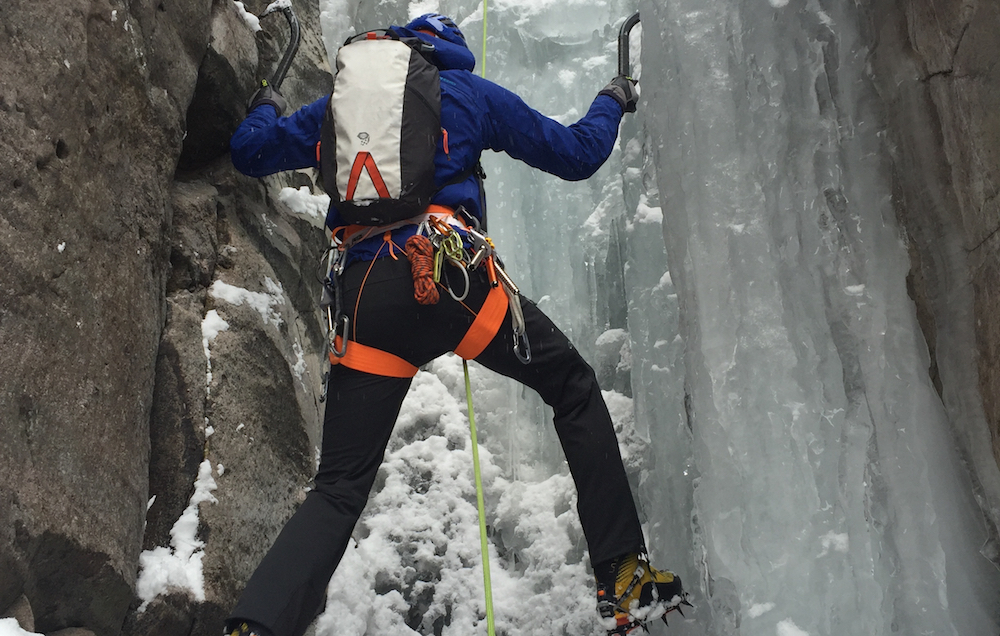
Climbing ice in a harness that is intended as an all-around workhorse, the Arc’teryx AR-395A.
One big change in harnesses that continues is the use of different materials and unique constructions. While harnesses of the past typically featured some sort of padding with structural nylon underneath, today’s harnesses are built in a myriad of ways. Some harnesses, such as the Metolius All-Around are built in that traditional way with plus padding for comfort and nylon underneath that creates the actual ability to hold a climber. Others, like the Arc’teryx AR-395A and Beal Rebel lack that two-fold construction and instead have leg loops and waist belts built out of a material that is thin and wide, offering comfort by weight distribution and lightweight by getting rid of the nylon underneath. Nylon is still incorporated in but only at the front where the nylon comes together at the buckles. Even more unique than those is the Petzl Sitta which eschews the nylon of old for thin strands of Spectra that run through the waist belt and leg loops, creating a light, breathable and compact harness.
The buckles have changed on harnesses as well and if you started climbing before the turn of the century then you likely were taught to pay special attention to your buckles, ensuring they were properly double backed. Those traditional buckles are still available and offer great security when used properly but are increasingly rare. Only one harness tested had traditional buckles and the rest used speed buckles, so-called because of their quick, easy use. Once threaded properly, and you may not have to undo the threading of the buckle, they are simply cinched tight and away you go. While these buckles should still be double checked, as part of any good pre-climb habit, they have the advantage of staying tight if threaded properly. If they aren’t threaded properly then the harness won’t cinch tight and you’ll know it.
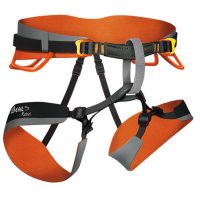
The Rebel uses Beal’s Web-Core technology to create a compact, light harness.
Gear loops are a big part of harnesses today because gear is what’s used on every climb and manufacturers continue to develop ways of making it easier to access that gear. On harnesses of the past, climbers may have found just a couple of gear loops, constructed from a simple nylon cord and maybe with a piece of plastic tubing over it to help it protrude from the harness. Today, gear loops can be contoured and shaped in a way to help the stick out from the harness, easing access to gear. Two gear loops would be rare today and instead you’ll find four or five gear loops. The Petzl Sitta even includes a movable divider on the front gear loops to further help organization.
A huge plus to climbers today is the increased comfort found in harnesses. Some of the new construction helps and also companies are making more effort to construct harnesses to fit climbers’ bodies. Wide waist belts and leg loops that are made to fit snug and distribute weight when hanging for extended periods of time. The best of both worlds is happening because while harnesses have gotten more comfortable they have also gotten lighter, thanks in large part to the new materials used and unique construction. In our testing, most harnesses were 13 ounces or less and are inarguably more functional than heavier models of the past.
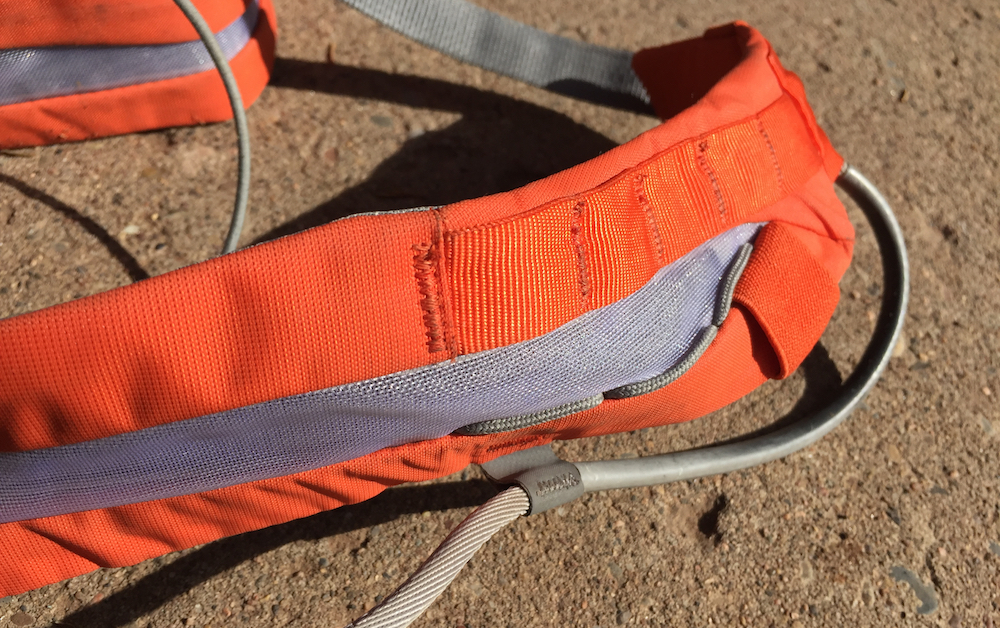
The C.A.M.P. Air uses perforated foam and breathable mesh in the waist belt.
As climbing as a sport has grown, so has the number of features companies are including with their harnesses. Many of these have great value and can make climbing easier and maybe even safer. Features such as ice clipper attachment points make a harness more functional for ice climbing and more versatile if you’re looking for an all-around harness. Breathable mesh, perforated foam and unique construction like that found on the Petzl Sitta make harnesses more comfortable for alpine climbing or when you’re wearing a harness on a hot day. Metolius’ SafeTech construction of making every harness component high strength is an attempt at reducing some of the accidents that have happened over the years from people doing things like inadvertently clipping into or rappelling off their gear loop. And companies are coming up with unique features like C.A.M.P.’s No-Twist Belay Loop, a slot that keeps the carabiner in place and prevents cross loading. All of these features are indicative of the growing sport in which companies are seeking to make their harness stand out above the rest.
The Petzl Sitta’s extremely lightweight and streamlined build makes it a popular option for sport climbers who are looking to shed every ounce and feel free in their movement. Ice clipper attachment points, gear loop dividers and its compact size make it attractive for ice and alpine climbers who want a simple yet effective harness. The lightweight construction of the Sitta comes at the expense of comfort during extended hang sessions and its ability to carry large amounts of heavy gear for trad or multi-pitch climbs.
The Arc’teryx AR-395a is an excellent choice for climbers looking for an all-around, four season harness to fit every mission. The lightweight and comfortable construction make it work for sport climbing with features that will satisfy many ice and alpine climbers. The gear loops are built for versatility, with removable protective plastic sheaths for more comfortable carrying of a pack, but don’t protrude as much as others which makes it a little harder to access gear.
The Singing Rock Onyx is a great value for sport and trad climbing harness with comfortable construction and ample, easy to use gear loops. The smooth operating adjustable buckle and elastic leg loops on the Onyx make it an easy on, easy off harness. Lacking features like a haul loop or adjustable leg loops for multi-pitch climbing, the Onyx shines in the single pitch realm.
The Mammut Zephir Alpine is a lightweight harness best suited for alpine and ice climbing adventures. With the ability to carry ample gear for a wide range of climbing objectives and a breathable waist belt, the Zephir Alpine is made for long days in the mountains. While it excels in the mountains, it is limited in its appeal as a cragging harness for sport or trad climbing as it lacks the comfort compared to other harnesses tested.
The C.A.M.P. Air CR is a lightweight harness with the ability to move freely during long days in the mountains or moderate multi-pitch rock climbs. Safety conscious climbers will appreciate the No-Twist Belay Loop to prevent cross loading of the belay carabiner. Three ice clipper attachment points make the Air CR attractive for ice climbing but it lacks the comfort necessary for long hanging belays as well as a high strength haul loop for tagging a line or extra gear for really long routes.
The Beal Rebel is a lightweight, compact harness best suited for sport climbing and alpine climbers looking for a more full featured harness. Four gear loops hold plenty of quickdraws and the comfortable fit allows for great freedom of movement. The Rebel’s versatility is limited to single pitch rock climbing by a lack of ice clipper attachment points or a full strength haul loop.
The Metolius All-Around is a comfortable harness for single and multi-pitch objectives in the sport and trad climbing realms. Plush padding makes this harness comfortable for long hanging sessions. The SafeTech features where every possible component is strength rated to at least 9 kN adds security and durability. But it lacks versatility for use in ice or alpine climbing and it’s not a good harness to share since it’s difficult to adjust.




 86
86